
Keywords: Greek Stoicism, Roman Stoicism, Stoic philosophers, differences, Zeno, Seneca, Epictetus, Marcus Aurelius
Introduction
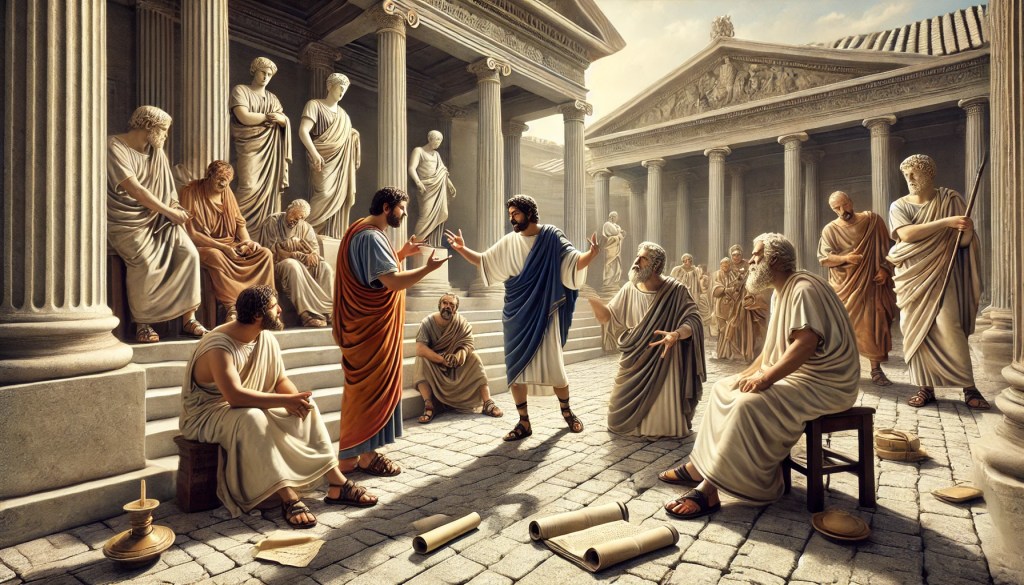
Have you ever wondered how a philosophy born in the bustling streets of ancient Athens evolved to guide emperors in the grandeur of Rome? Stoicism, a timeless philosophy, began in Greece with thinkers seeking wisdom on how to live virtuously in harmony with nature. As it journeyed to Rome, it transformed, adapting to the practicalities of Roman life and governance. This evolution not only shaped ancient civilizations but also continues to influence modern thought. Join us on a fascinating exploration of Greek and Roman Stoicism,, uncovering their differences, key philosophers, and the enduring relevance of their teachings today.
Origins of Stoicism: The Greek Foundation
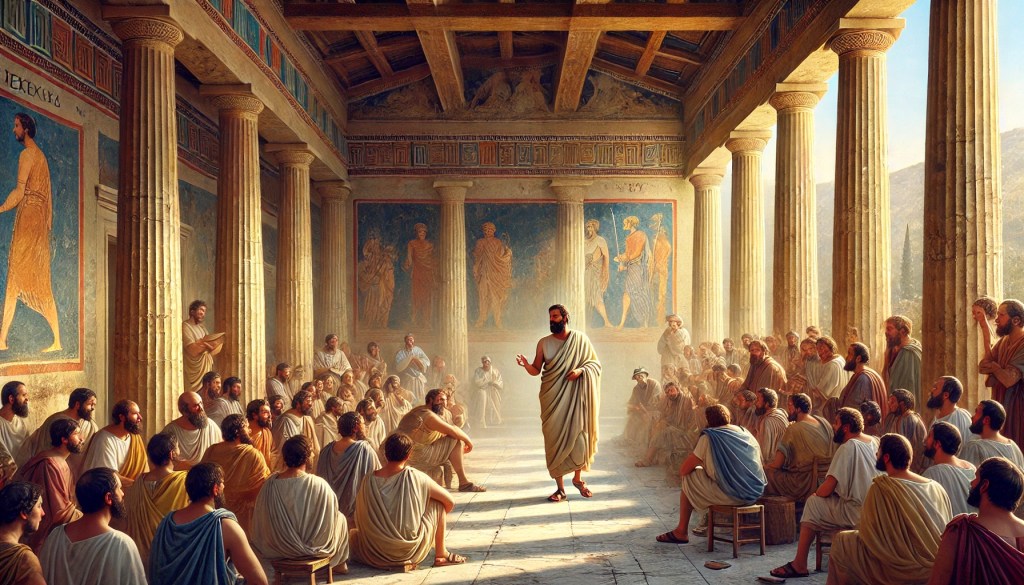
Stoicism was founded in Athens by Zeno of Citium around 300 BCE. Zeno began teaching in the Stoa Poikile (Painted Porch), from which the philosophy gets its name.
“Man conquers the world by conquering himself.”
— Zeno of Citium
Other Notable Greek Stoic Philosophers
- Cleanthes: Zeno’s successor, known for his work on ethics and theology.
- Chrysippus: Expanded Stoic logic and physics, solidifying Stoicism as a comprehensive system.
Core Tenets of Greek Stoicism
Virtue is the Highest Good
Greek Stoics held that virtue—comprising wisdom, courage, justice, and temperance—is the sole good and the foundation of a fulfilling life.
Example/Application: In daily life, this means prioritizing ethical actions over personal gain. For instance, standing up for what’s right at work, even if it’s unpopular, because integrity leads to true contentment.
Living in Accordance with Nature and Reason
They taught that aligning one’s life with the rational order of the universe leads to harmony and inner peace.
Example/Application: Accepting life’s cycles, such as changes in relationships or careers, and responding with adaptability and understanding, recognizing these shifts as part of the natural flow.
Emphasis on Logic and Physics
Understanding the nature of reality through logic and scientific inquiry was essential to make informed ethical choices.
Example/Application: Utilizing critical thinking to assess news and information before forming opinions, ensuring decisions are based on reason rather than emotion or misinformation.
Emotional Regulation through Apatheia
Apatheia refers to a state of being undisturbed by irrational emotions, allowing for clear judgment.
Example/Application: Practicing mindfulness to remain calm during stressful situations, like a heated argument, so you can respond thoughtfully rather than react impulsively.
Transition to Roman Stoicism
Cultural and Historical Context
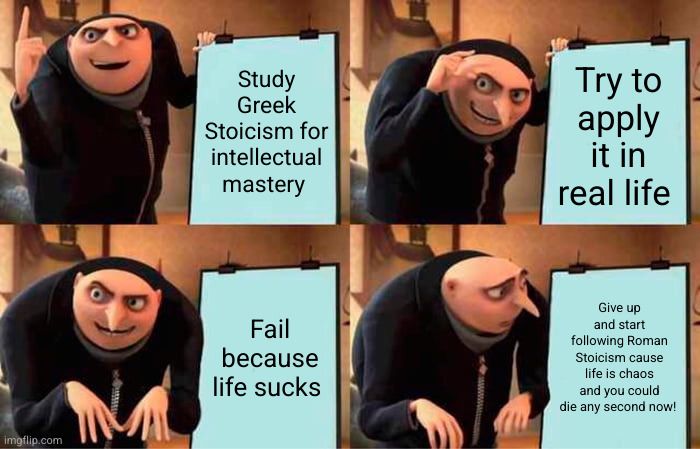
As Stoicism spread to Rome, it adapted to the Roman way of life. The Romans were pragmatic, focusing on practical applications rather than theoretical aspects.
Key Differences Introduced
- Practical Ethics Over Theoretical Physics: Roman Stoics emphasized applying Stoic principles to daily life.
- Focus on Duty and Social Responsibility: Integration of Stoicism into public service and leadership.
- Personal Improvement: Emphasis on self-improvement and moral character.
Roman Stoicism: The Philosophers Who Shaped an Empire
Seneca the Younger (4 BCE – 65 CE)
A statesman, dramatist, and advisor to Emperor Nero, Seneca wrote extensively on ethics and how to live virtuously amidst wealth and power.
“We suffer more often in imagination than in reality.”
— Seneca
Born a slave, Epictetus taught that freedom comes from within and emphasized the dichotomy of control.
“It’s not what happens to you, but how you react to it that matters.”
— Epictetus
Marcus Aurelius (121 – 180 CE)
The philosopher-king, his work Meditations is a personal reflection on Stoic philosophy and leadership.
“You have power over your mind—not outside events. Realize this, and you will find strength.”
— Marcus Aurelius
Comparing Greek and Roman Stoicism
| Aspect | Greek Stoicism | Roman Stoicism |
|---|---|---|
| Focus | Theoretical understanding of the universe | Practical application in daily life |
| Philosophers | Zeno, Cleanthes, Chrysippus | Seneca, Epictetus, Marcus Aurelius |
| Core Teachings | Logic, physics, ethics as a unified system | Ethics and moral philosophy with a pragmatic approach |
| Purpose | Achieving virtue through knowledge | Living virtuously amidst societal roles and duties |
| Emotional Approach | Attaining apatheia (freedom from passions) | Managing emotions to act according to reason |
Greek Stoicism emphasized theoretical understanding and achieving virtue through knowledge, focusing on logic and freedom from passions. Roman Stoicism shifted to practical application in daily life, highlighting ethical action, duty, and managing emotions to live virtuously
Enhance your understanding with The Daily Stoic by Ryan Holiday—a book that provides daily meditations drawing from both Greek and Roman Stoics.
Interesting Facts and Tidbits
- Zeno’s Inspiration: After a shipwreck left him penniless, Zeno discovered Socratic philosophy, leading to the development of Stoicism.
- Stoicism and Christianity: Stoic ethics influenced early Christian thinkers, integrating concepts of virtue and morality.
- Modern Psychology: Cognitive Behavioral Therapy (CBT) has roots in Stoic philosophy, emphasizing the role of thoughts in emotional well-being.
Community Engagement
Let’s Reflect Together
- Which aspects of Greek or Roman Stoicism resonate with you the most? Share your experiences or thoughts on how these philosophies relate to your life.
- How might Stoic teachings help address contemporary issues like stress management, ethical dilemmas, or leadership challenges?
- Are there any Stoic ideas you find challenging or have questions about? Let’s explore different perspectives and deepen our understanding together.
Your insights enrich our community. Feel free to share your thoughts in the comments below!
Conclusion
Understanding the differences between Greek and Roman Stoicism enriches our appreciation of this timeless philosophy. While Greek Stoicism laid the foundational theories, Roman Stoicism adapted these ideas into practical guidance for daily living. Both eras contribute valuable insights, offering us tools to navigate the complexities of modern life with wisdom and resilience.
Further Resources
- Meditations by Marcus Aurelius
- Discourses and Selected Writings by Epictetus
- Letters from a Stoic by Seneca
By purchasing through these links, you support our blog at no extra cost to you. Thank you!

 The Stoic Way - Timeless wisdom for Modern resilience
Leave a comment