
“When you arise in the morning, think of what a precious privilege it is to be alive—to breathe, to think, to enjoy, to love.”
— Marcus AureliusAdvertisements
I’m definitely not a morning person; mornings have always been hard on me, and I’m pretty sure my body believes anything before 10:00 AM is a myth and anyone else saying otherwise must be lying.
But here’s the twist: despite my natural aversion to early hours, I’ve managed to transform my mornings from a groggy mess into a (mostly) purposeful start. These Stoic-inspired tips have helped me deal with anxious mornings—at least some of the time. Stick around, and I’ll share how you too can start your day like a philosopher (no toga required).
The Importance of a Morning Routine
Let’s face it: how you start your morning sets the tone for the rest of your day. The Stoics believed in living in harmony with nature and reason, which includes taking care of our physical and mental well-being. Establishing a morning routine aligns with these principles, helping us face the day with clarity and purpose.
Even Marcus Aurelius, the Roman Emperor and Stoic philosopher, grappled with the temptation of staying in bed.
“At dawn, when you have trouble getting out of bed, tell yourself: ‘I am rising to do the work of a human being.’”
— Marcus Aurelius
If a guy running an empire had to pep-talk himself out of bed, perhaps there’s hope for the rest of us.

Understanding Cortisol: The Morning Stress Hormone
Before diving into the routine, let’s talk about cortisol—the body’s primary stress hormone. Think of cortisol as your built-in alarm system. It helps control your mood, motivation, and fear. Cortisol levels naturally peak in the morning to help you wake up and gradually decline throughout the day.
However, when cortisol levels are too high, they can make you feel anxious and stressed. Factors like poor sleep, late-night snacking (especially on sugary foods), and high stress can elevate cortisol levels, turning your mornings into an anxiety fest.
Managing cortisol is crucial for starting your day on the right foot.
“The harmony of the soul consists in this: that the mind commands, and the body obeys.”
— Seneca
By taking conscious steps to balance our body’s responses, we align the mind and body, reducing stress and improving our well-being.
Step 1: Gratitude Journaling
Starting your day with gratitude can shift your mindset from negativity to positivity.
“Nothing is more honorable than a grateful heart.”
— Seneca
You don’t have to pen an epic novel each morning. Even taking a few moments to think about what you’re thankful for can set a positive tone. Writing it down, however, has added benefits—it allows you to reflect back on good days when you’re having a tough one.
Personally, I’ve found that dedicating just five minutes to jot down a few things I’m grateful for—like the taste of my morning coffee or the fact that my favorite socks are clean—can make a significant difference in my mood.
Affiliate Link: Kickstart your practice with this Stoic Gratitude Journal.

Step 2: Managing Cortisol Through Mindful Nutrition
What you eat can either be the wind beneath your wings or the anchor pulling you down.
“Eating moderately keeps the mind clear and the body light.”
— Seneca
Avoid late-night eating, especially sugary snacks, as they can spike cortisol levels and disrupt sleep. High cortisol not only affects your sleep quality but also leaves you feeling more anxious in the morning.
In the morning, opt for foods rich in protein and healthy fats—like eggs, nuts, and avocados—to stabilize your energy levels. These foods help keep your blood sugar steady, preventing cortisol spikes.
Consider incorporating foods high in omega-3 fatty acids, known for their cortisol-lowering properties. Green tea is another excellent choice; it contains L-theanine, which promotes relaxation without causing drowsiness.
By nourishing your body thoughtfully, you’re setting yourself up for a calmer, more focused day.
Affiliate Link: Boost your nutrition with this Organic Green Tea Selection.

Step 3: Premeditatio Malorum—Anticipating Challenges
Now, let’s talk about one of my specialties: worrying. The Stoics practiced Premeditatio Malorum, or the premeditation of evils, to prepare for potential challenges.
“He who suffers before it is necessary, suffers more than is necessary.”
— Seneca
In the morning, take a few minutes to envision the challenges you might face during the day. Think about that difficult meeting, the traffic jam, or the unexpected email. By mentally preparing, you reduce the shock factor when these events occur.
As the CEO of Anxiety Incorporated, I’m excellent at imagining worst-case scenarios. The trick is to do this intentionally and briefly—not to dwell on it all day and overdo it (much easier said then done I know). It helps ease anxiety because you’re not blindsided when obstacles arise.
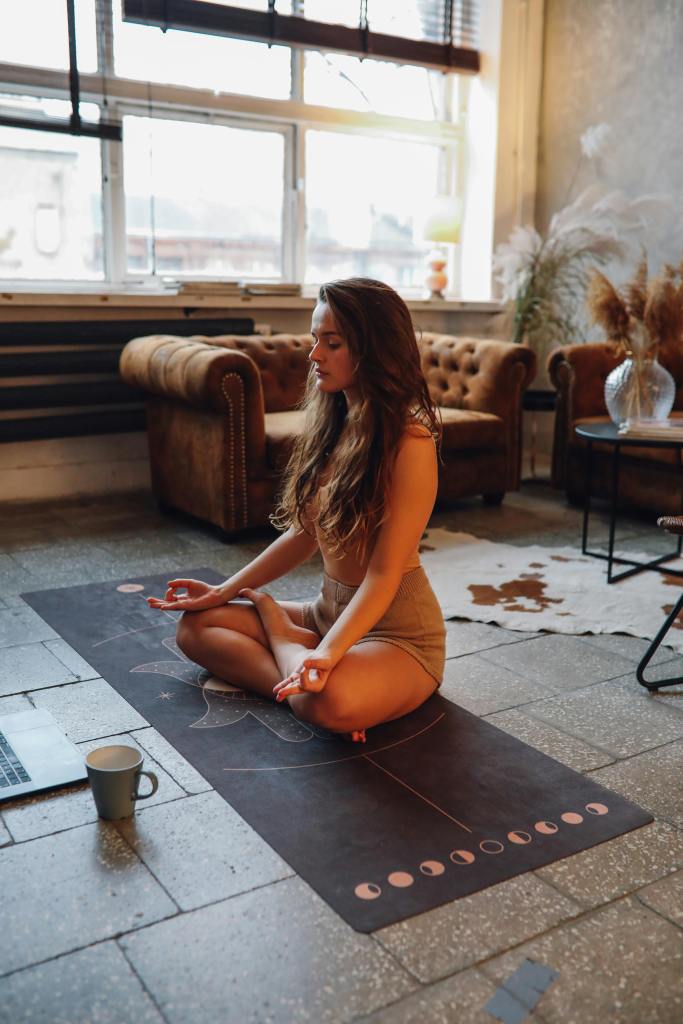
Step 4: Tips for Managing Morning Anxiety
Some mornings, despite our best efforts, anxiety creeps in. Here are some strategies that have helped me manage those tough mornings.
Cold Showers
I know, voluntarily stepping into a cold shower sounds about as appealing as volunteering for extra Monday morning meetings. But cold showers can lower cortisol levels and reduce symptoms of anxiety.
Research shows that exposure to cold activates the sympathetic nervous system and increases endorphins—the body’s natural mood elevators. This can lead to a reduction in cortisol levels and a boost in mood.
Breathing Exercises and Meditation
Deep breathing can activate your parasympathetic nervous system, promoting relaxation.
“You have power over your mind—not outside events. Realize this, and you will find strength.”
— Marcus Aurelius
Try inhaling slowly through your nose and then again slowly through your mouth in a way that feels comfortable to you. Meditation apps can guide you through the process if you’re new to it.
Internal Link: For more on practicing meditation, mindfulness and breathing exercies check out my previous post: Meditation and Stoicism: A Guide to Emotional Well-being
Conclusion
Starting your day like a Stoic philosopher doesn’t mean you have to love mornings (I certainly don’t). It’s about implementing practices that set you up for a day of resilience and tranquility.
So tomorrow morning, when your bed feels like a magnet and the world’s problems start crowding your mind, remember these tips. Embrace the practices that can transform not just your mornings but your entire approach to life.
Call to Action
Ready to transform your mornings? Subscribe to my blog for more regular posts on modern applications to stoicism. Or enhance your knowledge by reading one these classics :
Affiliate Links:
Meditations by Marcus Aurelius
A timeless classic offering profound insights into personal ethics, humility, and self-improvement.
Letters from a Stoic by Seneca
Practical advice on resilience, friendship, and mortality, guiding you towards a meaningful life.
Teachings focusing on the art of living and the pursuit of virtue by one of Stoicism’s most influential philosophers.
That One Should Disdain Hardships: The Teachings of a Roman Stoic
In Musonius Rufus’s words, “Philosophy is nothing else than to search out by reason what is right and proper and by deeds to put it into practice.” At a time of renewed interest in Stoicism, this collection of Musonius Rufus’s lectures and sayings offers readers access to the thought of one of history’s most influential and remarkable Stoic thinkers.
On the Shortness of Life by Seneca
This selection of Seneca’s works includes the essays On the Shortness of Life, Consolation to Helvia, and On Tranquility of Mind.

Feel free to share your own morning routines or Stoic practices in the comments below. Let’s learn from each other and strive to start our days like the philosophers we aspire to be.
“We suffer more often in imagination than in reality.” — Seneca
But trust me, my hosting bills are very real. If you find these resources and my blog valuable, please consider making a donation. After all, even a Stoic can’t pay for web hosting with virtue alone!

 The Stoic Way - Timeless wisdom for Modern resilience
Leave a comment