Keywords: Marcus Aurelius, Stoic emperor, Stoic philosophy, Meditations, Roman Empire, leadership, wisdom
Early Life and Childhood
Born on April 26, 121 AD, in Rome, Marcus Annius Verus—known to history as Marcus Aurelius—came from a prominent and wealthy family with strong ties to the Roman aristocracy. His father, Marcus Annius Verus III, was a Roman senator, and his mother, Domitia Lucilla, was a wealthy heiress. Tragically, Marcus’s father died when he was just three years old, leaving him to be raised by his mother and grandfather.
Despite the early loss, Marcus received an exceptional education, befitting his noble status. From a young age, he exhibited a keen intellect and a stoic demeanor, earning him the nickname “Verissimus,” meaning “most truthful.” He was also appointed to the equestrian order at the tender age of six, showcasing the immense potential seen in him by Roman society.
Fun Fact: As a child, Marcus was so dedicated to philosophy that he took to dressing in the simple cloak of a philosopher and sleeping on the ground, much to his mother’s concern!
Education and Philosophical Learnings
Marcus’s education was comprehensive, covering subjects like literature, rhetoric, law, and, most importantly, philosophy. He was introduced to Stoicism through his tutor Junius Rusticus, who gifted him a copy of Epictetus’s teachings. This work profoundly influenced Marcus’s philosophical outlook.
He studied under multiple teachers, each contributing to different aspects of his development:
- Diognetus taught him painting and introduced him to the philosophical way of life.
- Apollonius of Chalcedon deepened his understanding of Stoicism.
- Sextus of Chaeronea, a nephew of Plutarch, guided him in philosophy and ethics.
Marcus was known for his humility and eagerness to learn, often expressing gratitude for his teachers in his later writings.
Interesting Tidbit: Despite his imperial duties, Marcus continued his philosophical studies throughout his life, often writing notes and reflections during military campaigns.
Rise to Power
At the age of 17, Marcus’s life took a significant turn when Emperor Hadrian adopted him into the imperial family. He was betrothed to Faustina the Younger, the daughter of his uncle and future co-emperor, Antoninus Pius. Upon Hadrian’s death, Antoninus Pius ascended to the throne and named Marcus as his successor.
Marcus spent the next two decades under Antoninus’s mentorship, learning the intricacies of governance and leadership. When Antoninus Pius died in 161 AD, Marcus Aurelius became emperor, choosing to share the throne with his adoptive brother, Lucius Verus, showcasing his belief in shared responsibility.
The Philosopher Emperor
As emperor, Marcus Aurelius faced numerous challenges:
- Military Conflicts: He spent much of his reign defending the empire against invasions from Germanic tribes and Parthian forces.
- The Antonine Plague: A devastating epidemic that significantly reduced the population and strained resources.
Despite these hardships, Marcus remained committed to his Stoic principles. He penned his famous work, “Meditations,” during his military campaigns, offering profound insights into duty, virtue, and the human condition.
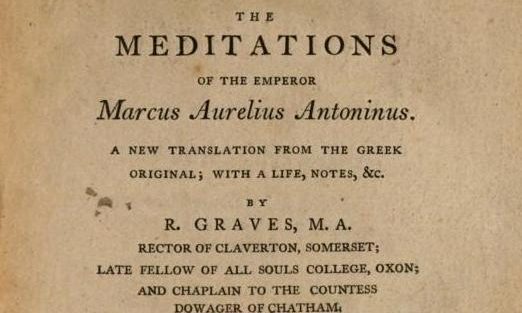
Did You Know? “Meditations” was originally titled “To Himself” and was never intended for publication. It offers a rare glimpse into the personal thoughts of a ruling emperor.
Core Teachings
Acceptance and Inner Peace
Marcus emphasized the importance of accepting events beyond our control and focusing on our responses.
“Everything we hear is an opinion, not a fact. Everything we see is a perspective, not the truth.”
Duty and Virtue
He believed that one’s duty is to act virtuously, regardless of external circumstances.
“Waste no more time arguing about what a good man should be. Be one.”
Impermanence
Reflecting on the fleeting nature of life, he urged mindfulness of the present moment.
“Do not act as if you were going to live ten thousand years. Death hangs over you. While you live, while it is in your power, be good.”
Community and Brotherhood
Marcus saw all humans as part of a larger community and advocated for empathy and compassion.
“What injures the hive injures the bee.”
Legacy and Death
Marcus Aurelius died on March 17, 180 AD, likely due to illness. His death marked the end of the Pax Romana, a period of relative peace and stability for the Roman Empire.
His son, Commodus, succeeded him, but lacked his father’s philosophical temperament and leadership qualities, leading to a decline in the empire’s fortunes.
Interesting Fact: Marcus was the last of the “Five Good Emperors,” a term coined by historian Edward Gibbon, denoting rulers who exemplified virtue and benevolent governance.
Modern Relevance
Marcus Aurelius’s insights remain strikingly relevant today:
- Mindfulness Practices: His focus on the present aligns with modern mindfulness and meditation techniques.
- Leadership Lessons: Business leaders and politicians study his writings for guidance on ethical leadership.
- Personal Development: His teachings inspire individuals to cultivate resilience, discipline, and inner peace.
Explore Marcus Aurelius’s Wisdom
For those interested in delving deeper into his philosophy, consider reading “Meditations“.

Marcus Aurelius’s life exemplifies the harmonious blend of leadership and philosophy. His teachings encourage us to look inward, act with integrity, and approach life’s challenges with grace and wisdom.


 The Stoic Way - Timeless wisdom for Modern resilience
Leave a reply to The Stoic Way Cancel reply