
Keywords: Epictetus, Stoic teachings, ancient philosophy, Stoicism, resilience, Stoic teacher, Roman Stoicism
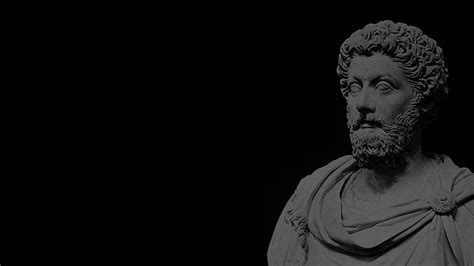
Early Life and Childhood
Born around 55 AD in the ancient city of Hierapolis, Phrygia (modern-day Pamukkale, Turkey), Epictetus came into the world as a slave. His name, meaning “acquired” in Greek, signifies his status during the early years of his life. Little is known about his parents or family background, but his circumstances were typical of many in the Roman Empire who were born into servitude.
Epictetus was owned by Epaphroditus, a wealthy freedman who served as a secretary to Emperor Nero. Despite his position as a slave, Epictetus was granted a remarkable opportunity: access to education. Recognizing his intellectual potential, Epaphroditus allowed him to study philosophy, setting the stage for his future influence on Stoicism .
Fun Fact: Epictetus is said to have had a physical disability, possibly lameness in one leg. According to some accounts, his master injured him severely, but Epictetus remained stoic, reportedly saying, “You will break my leg,” and when it happened, he calmly remarked, “Did I not tell you that you would break it?”
Education and Philosophical Learnings
Under the tutelage of the esteemed Stoic philosopher Musonius Rufus, Epictetus immersed himself in philosophical studies. Musonius Rufus was known for his teachings on ethics and the importance of living in harmony with nature—a cornerstone of Stoic philosophy. Through rigorous study and reflection, Epictetus honed his understanding of Stoicism , emphasizing practical application over theoretical discourse.
He absorbed the core Stoic principles:
- Control What You Can: Focus on your own actions and attitudes.
- Accept What You Can’t Control: Embrace fate and external events with equanimity.
- Live Virtuously: Align your life with nature and reason.
Interesting Tidbit: Despite his status, Epictetus’s reputation as a philosopher grew, and he became well-respected among both slaves and free citizens. His dedication to virtue over material wealth resonated with many.
Freedom and Teaching Career
After Emperor Nero’s death, Epictetus gained his freedom. As a freedman, he began teaching philosophy in Rome, attracting students from various walks of life. His teachings were practical, direct, and focused on ethics and personal conduct.
However, in 93 AD, Emperor Domitian expelled all philosophers from Rome, viewing them as a threat to his rule. Epictetus relocated to Nicopolis in Epirus (modern-day Greece), where he established a renowned school of philosophy. His school became a beacon for those seeking wisdom and guidance on how to live a good life.
Did You Know? Epictetus never wrote down his teachings. It was his pupil, Arrian, who transcribed his lectures, preserving them for future generations.
The Philosopher Teacher
Epictetus’s teachings have been immortalized in two primary works recorded by Arrian:
- The Discourses: A collection of his lectures covering a wide range of topics on Stoic philosophy.
- The Enchiridion (Manual): A concise handbook distilling his core teachings into practical advice for daily living.
His approach was conversational and accessible, often using analogies and everyday examples to illustrate philosophical concepts.
Interesting Fact: Epictetus emphasized that philosophy wasn’t just theoretical but a way of life. He believed that one should embody the principles they study, turning knowledge into action.
Core Teachings
The Dichotomy of Control
At the heart of Epictetus’s philosophy is the distinction between what is within our control and what is not.
“Some things are up to us, and some are not up to us.”
He taught that we should focus our energy on our own thoughts, beliefs, and actions, accepting external events as they come.
Acceptance and Serenity
Epictetus encouraged embracing life’s challenges with grace.
“It’s not what happens to you, but how you react to it that matters.”
By maintaining inner tranquility regardless of external circumstances, we cultivate resilience.
Living According to Nature
He believed that living virtuously meant aligning oneself with nature and reason.
“First say to yourself what you would be; and then do what you have to do.”
The Power of Perception
Epictetus stressed that our perceptions shape our reality.
“Men are disturbed not by things, but by the views they take of them.”
By adjusting our perceptions, we can change our experiences.
Legacy and Death
Epictetus continued teaching in Nicopolis until his death around 135 AD. His influence extended far beyond his lifetime, impacting notable figures such as the Emperor Marcus Aurelius, who referenced Epictetus in his own writings.
Interesting Tidbit: Despite his humble beginnings, Epictetus’s teachings have been studied by scholars, leaders, and philosophers for centuries, highlighting the universal appeal of his insights.
Modern Relevance
Epictetus’s wisdom is remarkably applicable today:
- Self-Help and Personal Development: His focus on personal responsibility and mindset resonates with modern self-improvement philosophies.
- Cognitive Behavioral Therapy (CBT): Epictetus’s ideas have influenced CBT, a common form of psychotherapy that addresses dysfunctional emotions and behaviors through cognitive restructuring.
- Leadership Training: His teachings on control and perception are utilized in leadership and management programs.
Did You Know? Former U.S. President Bill Clinton has cited Epictetus’s works as a significant influence on his life and thinking.
Explore Epictetus’s Wisdom
For those inspired to delve deeper into his teachings, consider reading “The Discourses” and “The Enchiridion.” These works offer practical guidance on leading a life of purpose and inner peace.
Epictetus’s journey from slavery to philosophical mastery is a testament to the power of the human spirit. His teachings encourage us to focus on what we can control, accept life’s uncertainties, and live in harmony with our true selves.
By embracing his wisdom, we too can navigate life’s challenges with grace and resilience.


Leave a Reply