
Keywords: Zeno of Citium, founder of Stoicism, Stoic philosophy, ancient Greece, Stoic teachings, Stoicism origins
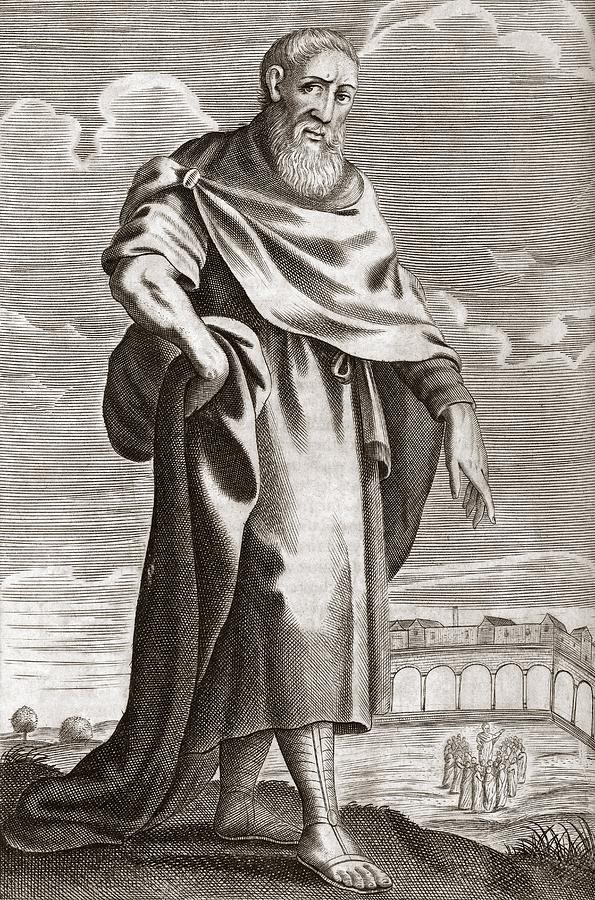
Ever wonder who kick-started the Stoic philosophy that’s influenced thinkers for over two millennia? Meet Zeno of Citium, the man who turned personal adversity into a legacy of wisdom that’s still relevant today. Let’s dive into the life and teachings of the founder of Stoicism .
Early Life and Journey to Philosophy
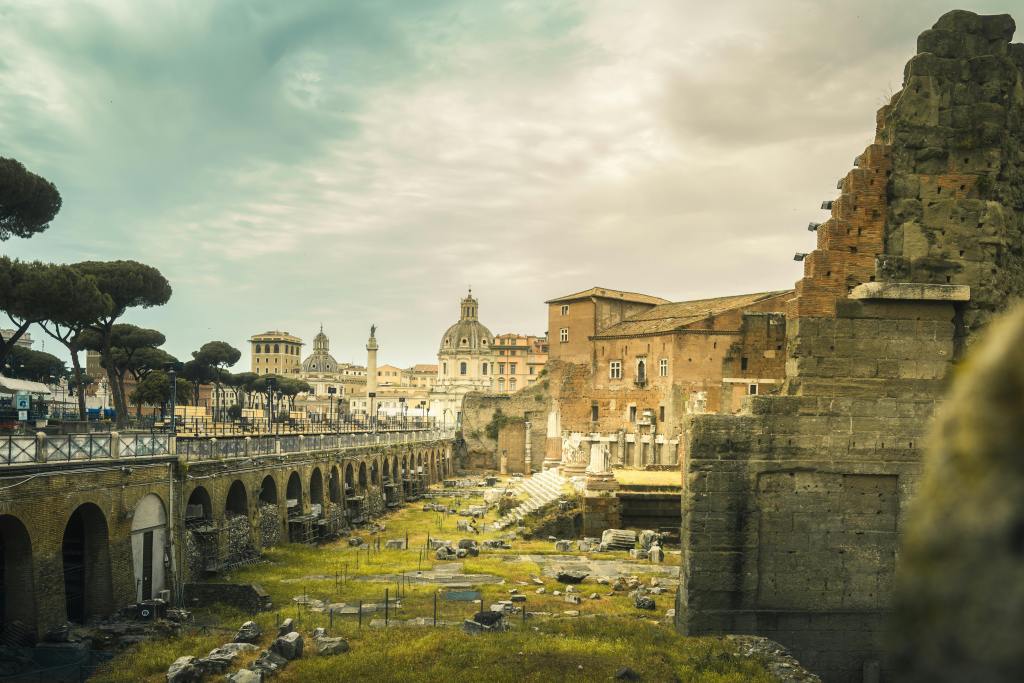
Born around 334 BCE in Citium, a Greek city on the island of Cyprus, Zeno was the son of a wealthy merchant. Following in his father’s footsteps, he engaged in trade and often voyaged across the Mediterranean. But life had other plans. Around the age of 22, Zeno was shipwrecked near Athens, losing all his possessions. Talk about a plot twist!
Stranded but not defeated, Zeno wandered into an Athenian bookshop and began reading about Socrates. Intrigued, he asked the bookseller where he could find such men. At that moment, Crates of Thebes—a well-known Cynic philosopher—happened to pass by. The bookseller pointed and said, “Follow that man.” And so began Zeno’s journey into philosophy.
Embracing Philosophy
Zeno studied under various philosophers, including:
- Crates of Thebes (Cynicism): Taught him about living in virtue in accordance with nature.
- Stilpo of Megara (Megaric school): Introduced him to dialectics and logic.
- Xenocrates (Platonic Academy): Offered insights into metaphysics and ethics.
This diverse education helped Zeno develop a unique perspective, blending different philosophies into what would become Stoicism .
Founding the Stoic School
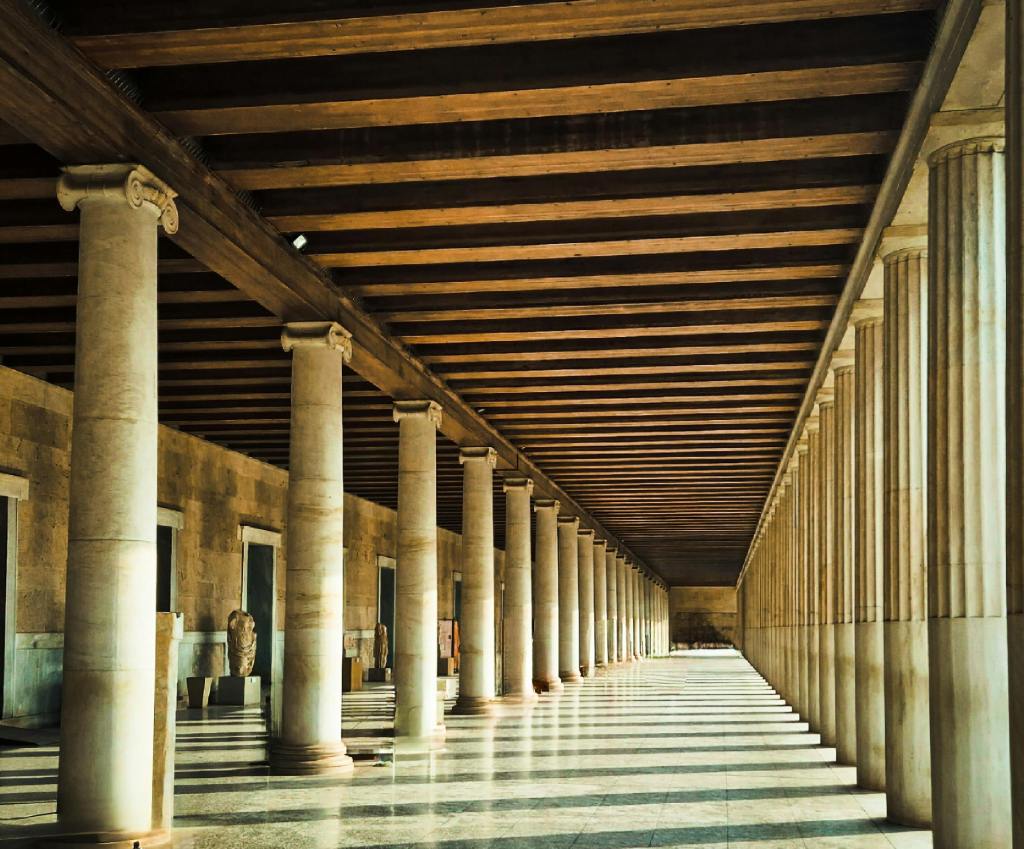
Around 300 BCE, after years of study, Zeno began teaching his own philosophy. Instead of lecturing in a secluded academy, he chose the Stoa Poikile, or “Painted Porch,” a bustling colonnade in the Athenian marketplace. His followers became known as “Stoics,” named after this location.
The Painted Porch
The Stoa Poikile was more than just a meeting place; it symbolized Zeno’s approach to philosophy—accessible and integrated into daily life. By teaching in the heart of the city, he emphasized that philosophy wasn’t just for the elite but for everyone willing to listen and learn.
Core Teachings of Zeno
Zeno’s Stoicism was built on the idea that virtue is the highest good and that we should live in harmony with nature and reason. Here’s what that looks like:
Living According to Nature
Zeno believed that achieving eudaimonia (a fulfilled life) required living in accordance with nature. He taught that everything in the universe is interconnected and governed by a divine rational order called the Logos.
“The goal of life is living in agreement with nature.” — Zeno of Citium
The Importance of Virtue
For Zeno, virtue was the only true good. External things like wealth, health, and reputation were considered “indifferent”—they don’t contribute to true happiness.
“Happiness is a good flow of life.” — Zeno of Citium
Emotional Resilience
Zeno taught that negative emotions result from errors in judgment. By aligning our perceptions with reason, we can achieve apatheia—freedom from destructive emotions.
Knowledge and Perception
He emphasized the importance of perception and knowledge in understanding the world. Zeno introduced the concept of katalepsis, the ability to grasp clear impressions, leading to true knowledge.
Personal Character and Anecdotes
Zeno was known for his modesty, self-discipline, and consistency between his teachings and his lifestyle.
A Life of Simplicity
Despite his philosophical fame, Zeno lived a simple and frugal life. He ate plain food, wore modest clothing, and owned few possessions. His lifestyle was a practical demonstration of his teachings on living according to nature and valuing virtue over wealth.
Anecdotes Highlighting His Character
- Humility: When someone criticized his hometown of Citium for producing no great men, Zeno quipped, “Well, it’s not for lack of a native son trying.”
- Patience: A student once tried to test Zeno’s patience by verbally abusing him. Zeno responded calmly, “If you find it useful to speak ill of me, you may continue.”
Respect from the Athenians
The people of Athens held Zeno in high esteem. They offered him honorary citizenship and awarded him a golden crown for his contributions to philosophy.
Legacy
Zeno’s influence extended far beyond his lifetime. His teachings laid the groundwork for Stoicism , later developed by philosophers like Cleanthes, Chrysippus, Seneca, Epictetus, and Marcus Aurelius.
Lasting Impact
Stoicism became one of the most influential philosophies in the Greco-Roman world and has seen a resurgence in modern times. Its practical approach to ethics and personal well-being resonates with many today, from leaders to everyday individuals seeking a balanced life.

Interesting Tidbits
- The End of Zeno’s Life: It’s said that Zeno died around 262 BCE. According to legend, he stubbed his toe leaving the school one day. Viewing this as a sign from the gods that his time had come, he calmly went home and ended his life. This story reflects his belief in accepting fate.
- Physical Appearance: Descriptions portray Zeno as a tall, slender man with a stern demeanor, embodying the Stoic ideal.
- Influence on Language: The term “stoic” in modern language, meaning someone who remains calm under pressure, originates from Zeno’s teachings.

Conclusion
Zeno of Citium turned personal loss into a philosophy that has guided people for centuries. His teachings on virtue, reason, and living in harmony with nature offer timeless wisdom in our fast-paced world.
By understanding Zeno’s life and core teachings, we gain insight into the foundation of Stoicism —a philosophy that encourages us to focus on what we can control and accept what we cannot.


 The Stoic Way - Timeless wisdom for Modern resilience
Leave a reply to The Stoic Way Cancel reply