Keywords: Cato, Stoic hero, moral integrity, Roman history, virtue ethics, Stoicism in action, ancient Rome
Introduction
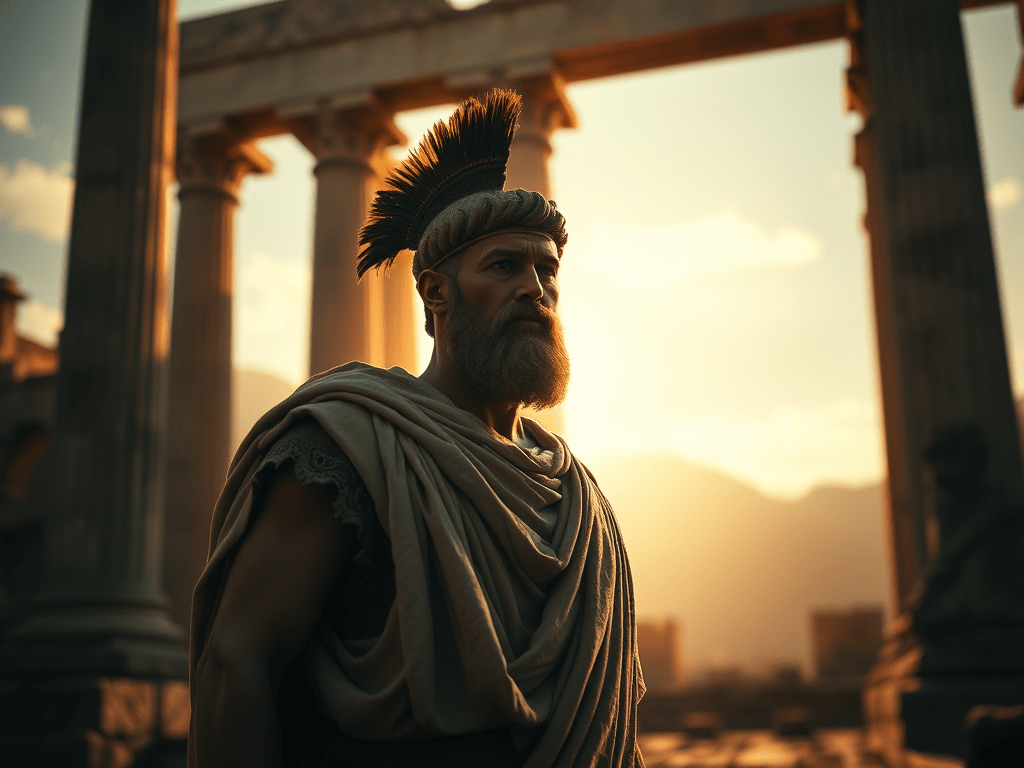
Imagine a man so committed to his principles that he would rather face death than compromise his integrity. This was Marcus Porcius Cato Uticensis, better known as Cato the Younger. In the twilight years of the Roman Republic, amidst political chaos and the rise of dictators, Cato stood as an unshakable pillar of virtue and Stoic philosophy. His life is a tapestry of compelling anecdotes—from boldly challenging the dictator Sulla as a child to his dramatic final stand against Julius Caesar.
Cato’s unwavering commitment to justice, moral integrity, and resistance to tyranny not only shaped his destiny but also left an indelible mark on history. In this article, we’ll delve into the fascinating stories of Cato’s life, explore the pivotal events leading up to his ultimate choice, and discuss how his steadfast principles continue to inspire us today
Early Life and Introduction to Stoicism
Early Life and Introduction to Stoicism
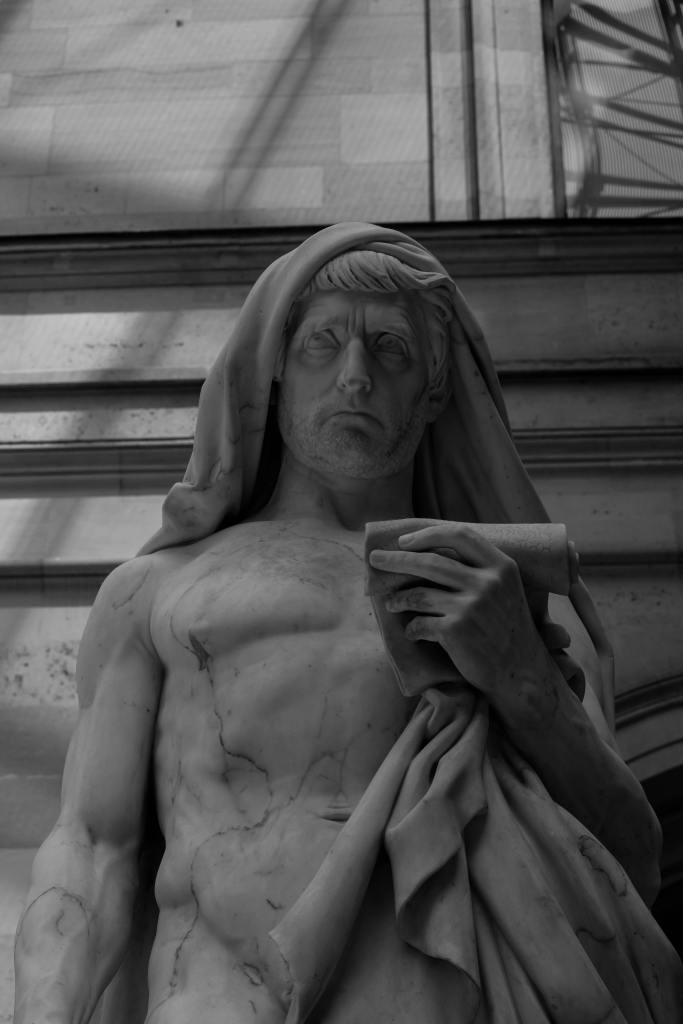
Born in 95 BC into the illustrious Porcian family, Cato was the great-grandson of Cato the Elder, a renowned statesman known for his strict moral code. Orphaned at a young age, Cato was raised by his uncle Marcus Livius Drusus. Even as a child, he exhibited a fierce sense of justice and an unyielding spirit.
A Notable Anecdote: Confronting Sulla
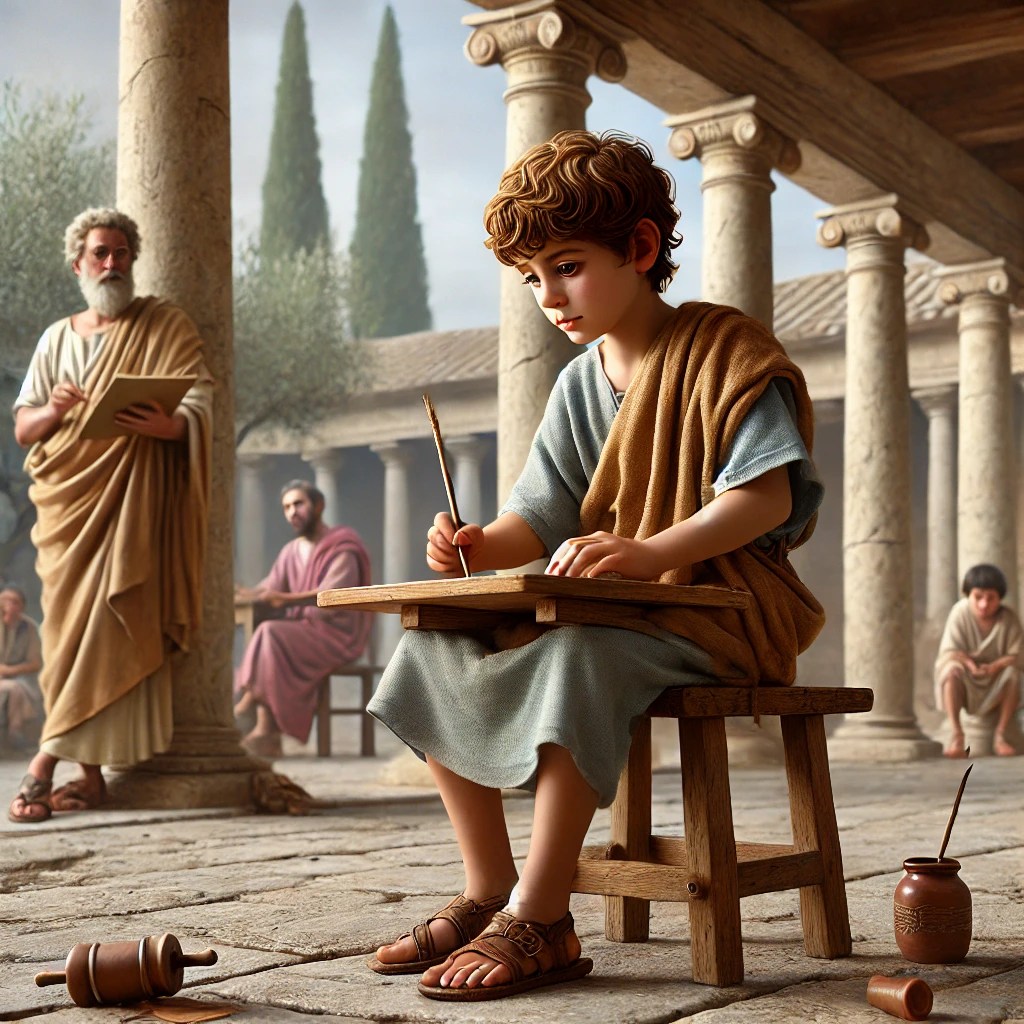
One famous story illustrates young Cato’s character. During the reign of the dictator Sulla, known for his brutal proscriptions, Cato visited Sulla’s house with his tutor. Witnessing the executions ordered by Sulla, the four-year-old Cato asked his tutor, “Why does no one kill this man?” His tutor replied, “Because they fear him more than they hate him.” Determined, Cato declared, “Give me a sword, that I might free my country from slavery.” This bold statement from a mere child showcased his early disdain for tyranny and a precocious commitment to justice.
Education and Stoic Influence
Cato received a comprehensive education typical of Roman nobility, studying grammar, rhetoric, law, and philosophy. He was particularly drawn to Stoicism, studying under Antipater of Tyre. The Stoic emphasis on virtue, self-control, and living in harmony with nature deeply resonated with him.
Political Career and Commitment to Virtue
Standing Against Corruption
Cato’s political career was marked by his relentless fight against corruption and moral decay within the Roman Republic. When offered a lucrative position that would have required compromising his principles, Cato famously declined, stating, “I prefer to compete in virtuous actions rather than in wealth with the richest men.” His refusal to engage in the common corrupt practices of the time set him apart in Roman politic
Tribune of the Plebs
As Tribune in 62 BC, Cato opposed legislation he viewed as harmful to the Republic, including proposals by Julius Caesar. He was instrumental in the execution of conspirators during the Catiline Conspiracy, emphasizing the rule of law over personal connections.
Alliance and Rivalry
Cato’s unwavering principles often put him at odds with powerful figures. He vehemently opposed the First Triumvirate formed by Caesar, Pompey, and Crassus, seeing it as a threat to the Republic’s foundations. Despite opportunities for personal gain, Cato refused to compromise his values.
The Civil War: A Nation Divided
Background of the Conflict
In 49 BC, tensions between Julius Caesar and the Senate escalated into civil war. Caesar crossed the Rubicon River, defying the Senate’s authority. Pompey, once Caesar’s ally, became the leader of the senatorial forces opposing Caesar.
Cato’s Dilemma
Cato faced a profound moral dilemma. Aligning with Pompey meant supporting a man whose ambitions he distrusted. However, Caesar’s actions posed a direct threat to the Republic’s democratic institutions.
Choosing Principle Over Politics
Ultimately, Cato sided with Pompey—not out of loyalty to Pompey himself, but in defense of the Republic. He believed that resisting Caesar was essential to preserve Rome’s constitutional order.
The Reluctant Ally
Before the decisive Battle of Pharsalus, Cato advised caution and strategic planning. He urged Pompey to avoid direct confrontation with Caesar’s experienced troops. His counsel was ignored, leading to a catastrophic defeat. Demonstrating his Stoic resilience, Cato gathered the surviving forces and led them to North Africa, refusing to surrender.

Cato’s Final Stand at Utica
Defiance Until the End
In Utica, as Caesar’s forces closed in, Cato organized a peaceful evacuation for his followers, ensuring their safety. Offered clemency by Caesar, he refused, unable to reconcile living under a regime he considered tyrannical.
Seneca’s Reflection on Cato
Seneca, in his “Letters from a Stoic,” praised Cato’s unwavering virtue:
“Cato, that great man, who showed us how a Stoic lives and dies, preferred death to a life without liberty. His spirit remained unconquered, even when his body was subdued.”
— Seneca
The Last Night
On his final night, Cato dined with friends, engaging in philosophical discussions. He read Plato’s “Phaedo,” a dialogue on the immortality of the soul, displaying calmness and clarity. After ensuring his companions were safe, he took his own life—a final act of autonomy and adherence to his principles.
Understanding Cato’s Choice
A Stoic Perspective
From a Stoic standpoint, Cato’s suicide was an act of rational agency. He exercised control over his fate, adhering to his belief that living under Caesar’s rule was incompatible with his commitment to virtue.
Moral Integrity
Cato’s decision was not made lightly. It was the culmination of a life dedicated to principle over personal safety or gain. His actions left a lasting impression on both contemporaries and future generations.
Cato’s Influence on Stoicism and Beyond
Inspiration to Future Generations
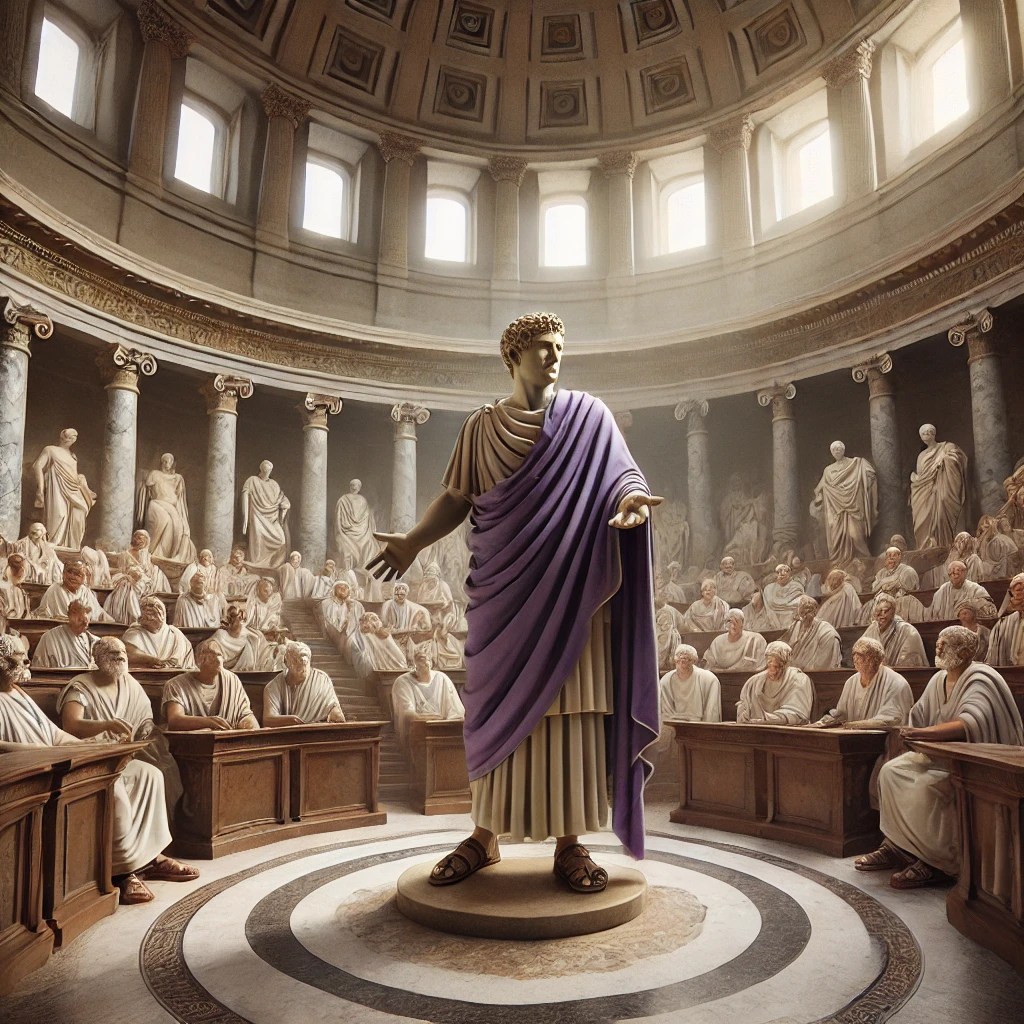
Cato’s life and death became symbols of resistance against oppression. He was celebrated by later Stoics and philosophers as a martyr for republican values.
Cato in Literature
His legacy inspired works such as Joseph Addison’s play “Cato, a Tragedy,” which resonated with leaders like George Washington during the American Revolution, emphasizing liberty and virtue.
Links to Previous Articles
- Interested in other Stoic figures? Check out our article on Marcus Aurelius: The Philosopher King.
- Learn about the foundational principles in Introduction to Stoicism: A Beginner’s Guide.
Applying Cato’s Lessons Today
Cato’s unwavering commitment to his principles invites us to reflect on our own values.
- Integrity in Action: How can we uphold our principles in the face of societal pressures?
- Courage to Stand Alone: Are we willing to stand up for what we believe is right, even if it means standing alone?
- Legacy of Virtue: What legacy do we leave through our actions and choices?
Affiliate Resources to Deepen Your Understanding
Rome’s Last Citizen: The Life and Legacy of Cato, Mortal Enemy of Caesar
Rome’s Last Citizen is a timeless story of an uncompromising man in a time of crisis and his lifelong battle to save the Republic
- Letters from a Stoic, by Seneca
Gain insights into Stoic philosophy and Seneca’s reflections on figures like Cato.
(By purchasing or clicking through these links, you support our blog at no extra cost to you. Thank you for your support!)
Conclusion
Cato the Younger remains a powerful symbol of integrity, courage, and Stoic virtue. His life teaches us that standing firm in our principles is not always easy but is essential for living a meaningful life. As we navigate our own challenges, let us draw inspiration from Cato’s example to act with wisdom and integrity.
Join the Conversation
How does Cato’s example resonate with you? Have you faced situations where sticking to your principles was challenging? Share your experiences and thoughts below. Let’s continue this exploration together!



 The Stoic Way - Timeless wisdom for Modern resilience
Leave a comment