Democracy at Stake: A Call to Action Against Tyranny, Oligarchy and Fascism
In doing nothing men learn to do evil
-Cato the Younger
I. Introduction
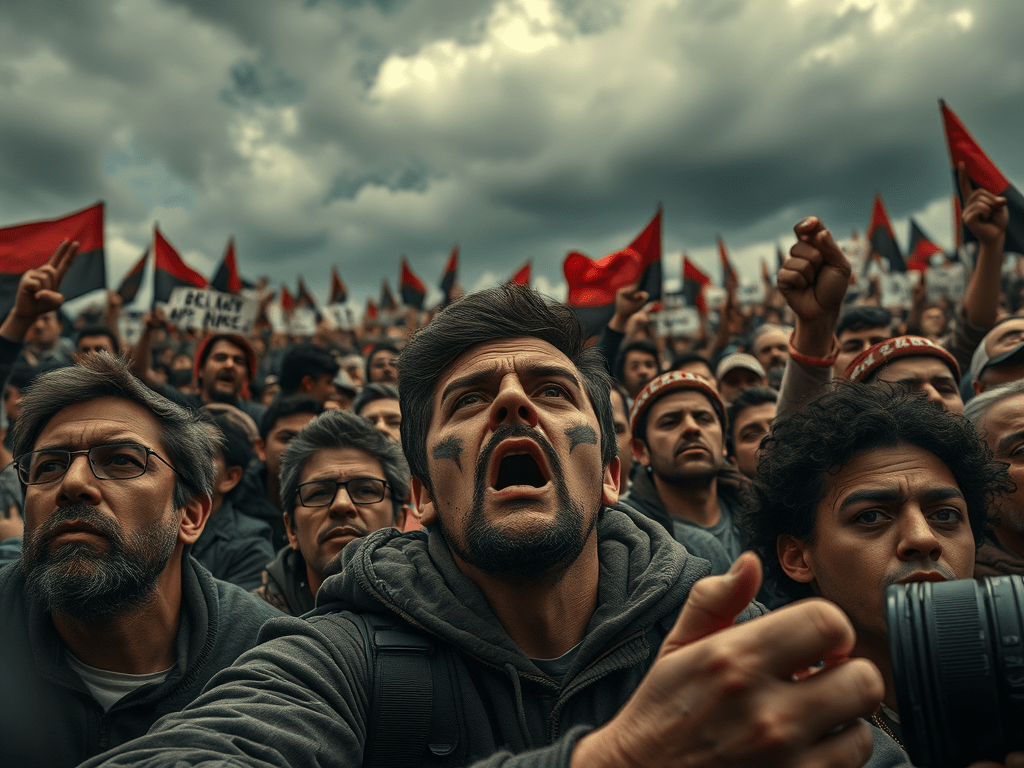
Today’s world seems to be sinking evermore into chaos, where the normalization of fascism and authoritarian behavior is increasingly on display. It’s alarming to witness how symbols of hate are casually paraded by influential figures. Consider, for example, members of the Trump administration—including figures like Steve Bannon—and even Elon Musk, who, despite not even being an elected official has bought himself a position of power, and moreover has been seen performing Nazi salutes. What’s even more disturbing is that these actions are often met not with universal outrage, but with shrugged-off indifference—or worse, outright justification. This isn’t the behavior of a healthy democracy; it’s the steady creep toward oligarchy and fascism.
Now, let’s turn our attention to Ukraine. Under absolutely no circumstances can we label Ukraine’s defenders as warmongers. They are, without a doubt, the victims of Russia’s unprovoked aggression—a conflict that was set in motion back in 2014 with the annexation of Crimea. The failure of Western leaders to decisively confront Russia’s early transgressions emboldened its aggression, leading to a full-scale attack in 2022. The lack of a strong, united political backlash only served to deepen the crisis. History is unambiguous on this point: appeasing tyrants does not preserve peace—it invites further domination and suffering.
In the midst of this global turmoil, we find ourselves at a crossroads. Ancient wisdom reminds us that democracy is not a static achievement but a continuous, active struggle. The lessons of history demand that we remain vigilant, question authority, and stand up for justice, even when the forces of hate and indifference may seem overwhelming.
Advertisements
II. Historical Parallels: Lessons from the Past
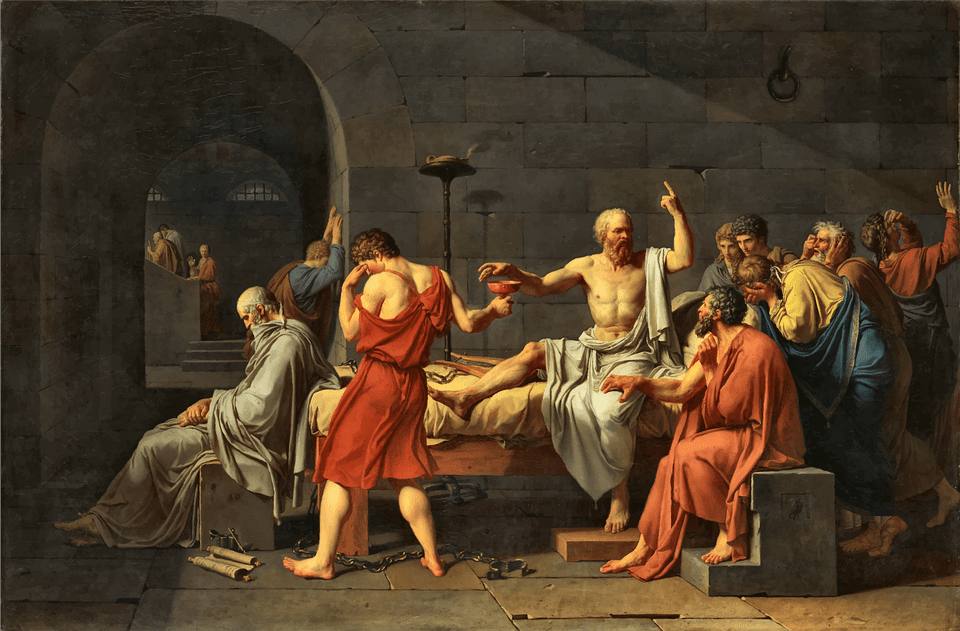
History teaches us that what’s happening in the world right now is nothing new, and our current struggle against the normalization of authoritarianism is no exception to this. Consider ancient Athens, where Socrates dared to question prevailing norms in a city increasingly ruled by demagogues and narrow-minded authorities. His relentless inquiry—so provocative that it earned him charges of corrupting the youth and impiety—ultimately costing him his life. Yet, his sacrifice stands as an enduring testament to the necessity of dissent when power veers toward tyranny.
Fast forward to Rome, and we encounter Cato the Younger. Sadly his wisdom is just as relevant to us today as it was for him a little over 2000 years ago fighting against tyranny and trying to upkeep the values of the Roman republic.
Some have said that it is not the business of private men to meddle with government–a bold and dishonest saying, which is fit to come from no mouth but that of a tyrant or a slave. To say that private men have nothing to do with government is to say that private men have nothing to do with their own happiness or misery; that people ought not to concern themselves whether they be naked or clothed, fed or starved, deceived or instructed, protected or destroyed.
Then there was the reign of Nero, whose infamous leadership—characterized by reckless excess, brutality, and a blatant disregard for the welfare of his people—demonstrates the peril of unchecked power. Nero’s rule was marked by the systematic suppression of dissent, and his downfall came as a direct consequence of allowing tyranny to operate without opposition. In each of these historical moments, the failure to confront or challenge authoritarian impulses allowed oppressive regimes to entrench themselves further. It teaches us that if we don’t act – we will eventually face the same.
Today, we see echoes of these ancient dramas in our modern world. Public figures casually performing Nazi salutes and the normalization of fascism and oligarchy signal a disturbing trend: when society stops questioning the actions of its leaders, history tends to repeat its darkest chapters. Just as the appeasement of tyrants in the past led to catastrophic consequences, our current inaction risks paving the way for a future where democracy doesn’t exist anymore.
The death of Socrates
Advertisements
III. Authoritarianism, Fascism, and the Banality of Evil
Those magistrates who can prevent crime, and do not, in effect encourage it.
The concept of the banality of evil, as articulated by Hannah Arendt, reveals a deeply unsettling truth: great atrocities are not always the result of monstrous individuals, but often stem from the ordinary—the complacency of everyday citizens who choose silence over action. Arendt observed that when we lose our reluctance to speak out against small injustices, we inadvertently lay the groundwork for far greater evils.
In our times, this idea is strikingly visible. Consider how a simple, almost nonchalant Nazi salute from a public figure—performed by someone unelected and influential—can be met with shock by some yet shrugged off by many. This normalization of hateful symbolism is not an isolated aberration; it is the cumulative effect of a society that has gradually become desensitized to the warning signs of authoritarianism.
“We begin to lose our hesitation to do immoral things when we lose our hesitation to speak of them.” This quote captures the essence of the banality of evil: the moment we stop questioning small immoralities, we open the door for larger transgressions. It is a call to resist the quiet slide into indifference—a slide that, if left unchecked, culminates in the systematic erosion of our democratic values.
Every unchallenged act of conformity, every instance where we allow fascist symbols to be celebrated without question, contributes to a cultural environment ripe for abuse. The banality of evil is not about dramatic, overt malevolence; it is about the everyday choices that, cumulatively, sanction injustice. In a democracy, it is our collective responsibility to interrogate these small acts, for if we don’t, we risk becoming complicit in the rise of oppressive regimes.
IV. What We Can Do in Today’s Turbulent Climate
In March 2025, our political landscape is as challenging as ever. Yet, each of us possesses the capacity to contribute to change. Democracy is not self-sustaining—it demands constant engagement and the courage to question authority.
Consider these concrete steps:
Stay Informed: Rely on reputable sources to understand the unfolding events. Knowledge is your first line of defense.
Engage Locally: Get involved in community initiatives, attend town hall meetings, and support grassroots organizations that champion democratic values.
Advocate for Change: Write to your representatives, join peaceful protests, and use social media to disseminate factual, evidence-based information.
Support Progressive Policies: Champion reforms such as universal basic income, degrowth strategies, and policies that everyone equally, not just the very rich. Remember the words of Marcus Aurelius: “The best revenge is to be unlike your enemy.” Let that be your guiding principle as you fight against the tide of authoritarianism.
Question Authority: Demand transparency and accountability from those in power. In a healthy democracy, no decision should be above scrutiny.
Each small act of resistance, every informed vote, and every voice raised against injustice contributes to a broader movement towards a just society.
Advertisements
V. Mental Health & Self-Care: Staying Grounded While Taking Action
While fighting for justice is imperative, it is equally important to safeguard your own well-being. The strain of constant activism can lead to burnout if you’re not careful. Doom scrolling 24/7 is never going to be helpful in the long run. As Seneca reminds us:
“We must indulge the mind and from time to time allow it the leisure which is its food and strength.”
Here are some strategies to maintain balance:
Set Boundaries: Limit your exposure to relentless news cycles and social media. Schedule regular breaks to recharge.
Practice Mindfulness: Whether it’s meditation, a brisk walk, or engaging in a hobby, find activities that restore your energy and focus.
Build a Support Network: Surround yourself with like-minded individuals who can share in both the struggles and triumphs of activism.
Celebrate Small Victories: Recognize that even modest contributions matter. Each step forward is progress in the ongoing battle for democracy.
By taking care of yourself, you ensure that your activism remains sustainable and effective over the long haul.
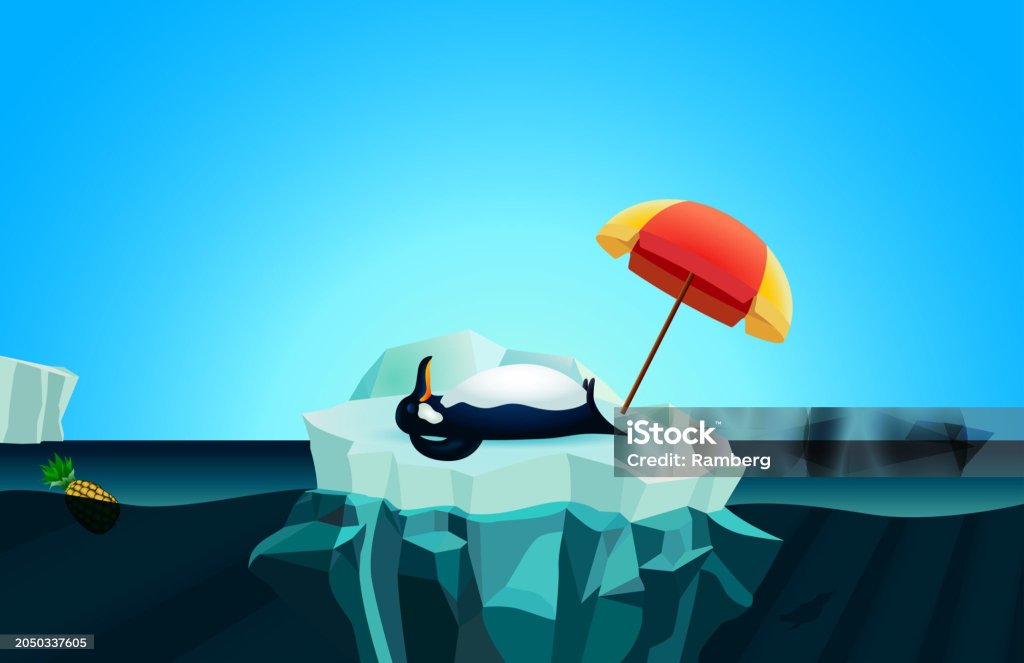
Penguin enjoying the antarctic summer on an iceberg. Sometimes we all need a break to chill.
VI. Conclusion: A Call to Action
The unwavering courage of the likes of Socrates, Cato, Seneca, and Musonius Rufus reminds us that democracy isn’t self-sustaining—it must be actively defended every day. Every act of resistance and every challenge to authority is a vital step toward reclaiming our freedoms.
We cannot allow normalized displays of fascism or the creeping erosion of democratic values to become our new norm. Now is the time to stand up, speak out, and act—while also taking care of your own well-being. Your voice matters, your actions matter, and together, we have the power to forge a future defined by justice and resilience.
VII. Additional Resources & Further Reading
If you’re ready to dive deeper into the ideas and strategies discussed in this post, here are some resources to help fuel your journey toward a more engaged and resilient future:
Journalistic analysis of the mentality that fostered the Holocaust, from the author of The Origins of Totalitarianism
“We suffer more often in imagination than in reality.” — Seneca
But trust me, my hosting bills are very real. If you find these resources and my blog valuable, please consider making a donation. After all, even a Stoic can’t pay for web hosting with virtue alone!
Hello! I’m thrilled that you’ve found your way to my corner of the internet. I’m not a philosopher by profession, nor do I claim to be an expert in Stoicism. Much like Marcus Aurelius, who humbly practiced philosophy while leading an empire, I see myself as a student of life, striving to apply Stoic principles in my everyday journey. Join me on my way to living life The Stoic Way !
Stoicism is practical philosophy—so the best way to learn is through daily practice. Subscribe for free and get short, easy-to-follow Stoic quotes and daily challenges (which I also personally do!). Let's practice and grow together!



Leave a Reply