
Keywords: Stoicism, meditation, emotional well-being, mental clarity, self-discipline, mindfulness practices, ancient philosophy

Introduction
In an age where distractions are endless and stress levels are soaring, finding inner peace can seem like an elusive goal. Yet, centuries ago, ancient philosophers grappled with the same human challenges and discovered profound methods to cultivate tranquility. Meditation, often associated with Eastern traditions, is also deeply rooted in Stoic philosophy—a Western school of thought that emphasizes rationality, virtue, and self-control.
Consider the story of Marcus Aurelius, the Roman emperor who ruled during a time of war and plague. Despite the turmoil, he penned personal reflections to navigate his inner world, later compiled into the book we know as Meditations. These writings weren’t intended for publication; they were his way of practicing mindfulness and reinforcing Stoic principles in daily life.
In this article, we’ll delve into how meditation complements Stoicism, explore scientific research affirming the benefits of meditation, and share personal insights on its impact. We’ll also debunk common misconceptions and provide practical tips to incorporate meditation into your routine. Whether you’re a seasoned practitioner or just curious, you’ll discover how meditation can enhance your journey toward a more centered and resilient self.
The Intertwining of Meditation and Stoicism
Stoic Meditation: A Practice of Mindful Reflection
Stoicism isn’t just a philosophy; it’s a practical guide for living a fulfilled life. Stoic meditation involves purposeful contemplation to align one’s thoughts and actions with virtue. Unlike some forms of meditation that focus on emptying the mind, Stoic meditation encourages active engagement with one’s inner dialogues.
Marcus Aurelius on Self-Examination
“People look for retreats for themselves, in the country, by the coast, or in the hills… But nowhere can a person find a more peaceful and trouble-free retreat than in his own mind.”
— Marcus Aurelius, Meditations
Here, Marcus emphasizes that true tranquility comes from within. By retreating into our minds through meditation, we can find peace regardless of external circumstances.
Seneca on Mindfulness
“Nothing, to my way of thinking, is a better proof of a well-ordered mind than a person’s ability to stop just where they are and pass some time in their own company.”
— Seneca, Letters from a Stoic
Seneca highlights the importance of being present and comfortable with oneself—a core aspect of meditation.
Link to related article:
Discover more about Marcus Aurelius: The Philosopher King.
The Scientific Benefits of Meditation
Modern science supports the wisdom of the Stoics, demonstrating that meditation offers numerous mental and physical health benefits. Below, we explore key findings from prominent studies, providing a brief explanation of how meditation impacts various aspects of well-being.
Reducing Stress and Anxiety
Meditation has been shown to reduce levels of cortisol, the stress hormone associated with stress and anxiety. A study published in JAMA Internal Medicine found that mindfulness meditation programs significantly improved anxiety and stress symptoms in participants.
- Explanation: The study analyzed 47 clinical trials involving over 3,500 participants. Results indicated that those who practiced mindfulness meditation experienced moderate reductions in anxiety, depression, and pain compared to those who did not meditate. This suggests that meditation can be an effective complementary treatment for stress-related conditions.
- Source: Mindfulness Meditation Programs for Psychiatric Disorders
Enhancing Emotional Well-being
Research from Harvard Medical School demonstrated that meditation can increase gray matter density in brain regions associated with memory, sense of self, empathy, and stress regulation.
- Explanation: Participants underwent an eight-week mindfulness meditation program, during which MRI scans showed increased gray matter concentration in the hippocampus and other areas linked to learning and emotional regulation. This structural change in the brain suggests that meditation can enhance emotional well-being and cognitive functions.
- Source: Mindfulness Practice Leads to Increases in Regional Brain Gray Matter Density
Improving Focus and Cognitive Function
A study published in Psychological Science revealed that brief meditation training can improve attention span, working memory, and cognitive control.
- Explanation: In just two weeks, participants who practiced mindfulness meditation for a total of approximately 5 hours showed significant improvements in their GRE reading comprehension scores and working memory capacity. This indicates that even short-term meditation can enhance cognitive performance and focus.
- Source: Brief Meditation Training Enhances Attention and Cognitive Control
Boosting Immune System
Meditation has been linked to improved immune function. Research published in Annals of the New York Academy of Sciences found that meditation practices can enhance antibody response and increase immune cell counts.
Source: Meditation and Its Regulatory Role on Sleep
Explanation: The study reviewed multiple clinical trials and concluded that meditation can modulate immune system markers, leading to increased antibody production and higher activity of natural killer cells. This suggests that regular meditation may contribute to a stronger immune response.

Debunking Misconceptions About Meditation
Many shy away from meditation due to misconceptions. Let’s address some common myths:
Myth 1: Meditation Requires Hours of Practice
- Reality: Even short sessions of 5-10 minutes can yield significant benefits. Consistency is more important than duration.
Myth 2: You Must Clear Your Mind Completely
- Reality: It’s normal for thoughts to arise. The goal is to observe them without judgment and gently return focus to your breath.
Myth 3: Meditation Is Tied to Religion
- Reality: While meditation has roots in various spiritual traditions, it can be a secular practice focused on mindfulness and well-being.
Epictetus on Practicing Mindfulness
“If you seek tranquility, do less. Or do what’s essential… By saying no to nonessential things, you make better use of your time and manage your life more effectively.”
— Epictetus, DiscoursesAdvertisements
Practical Tips to Incorporate Meditation into Daily Life
Integrating meditation into your daily routine doesn’t have to be complicated. Here are some practical tips, examples of short meditation practices, and apps to help you get started:
1. Start with Guided Meditation Apps
Using apps can provide structure and support, especially for beginners.
- Headspace: Offers guided meditations ranging from 3 to 20 minutes on topics like stress reduction, focus, and sleep.
- Calm: Features guided sessions as short as 2 minutes, sleep stories, and relaxing music to help you unwind.
2. Practice Short Meditation Techniques
Incorporate brief meditation exercises into your day.
- Mindful Breathing (5 Minutes):
- Sit comfortably and close your eyes.
- Focus your attention on your breath.
- Inhale deeply through your nose, exhale slowly through your mouth.
- If your mind wanders, gently bring your focus back to your breath.
- Body Scan Meditation (10 Minutes):
- Lie down or sit comfortably.
- Close your eyes and bring attention to your toes.
- Slowly move your focus up through your body, noticing any sensations.
- This promotes relaxation and bodily awareness.
3. Incorporate Mindfulness into Daily Activities
Meditation doesn’t always require sitting still.
- Mindful Walking:
- During a walk, pay attention to the sensation of your feet touching the ground.
- Notice the sights, sounds, and smells around you without judgment.
- Mindful Eating:
- Take time to savor each bite during meals.
- Focus on the taste, texture, and aroma of your food.
4. Set Aside Short, Regular Times for Meditation
Consistency is key, even with brief sessions.
- Morning Routine:
- Begin your day with a 5-minute meditation to set a positive tone.
- Evening Wind-Down:
- End your day with a 10-minute meditation to relax and reflect.
5. Utilize Simple Meditation Practices
- Visualization Meditation (5 Minutes):
- Close your eyes and imagine a peaceful scene, such as a beach or forest.
- Engage all your senses to make the visualization vivid.
- Loving-Kindness Meditation (Metta) (10 Minutes):
- Sit comfortably and focus on feelings of compassion.
- Silently repeat phrases like “May I be happy, may I be healthy,” then extend these wishes to others.
6. Explore Additional Meditation Apps
Find the app that best suits your needs.
- Insight Timer: Offers thousands of free guided meditations and the ability to connect with a global community.
- The Mindfulness App: Provides personalized meditation plans and reminders to help you stay on track.
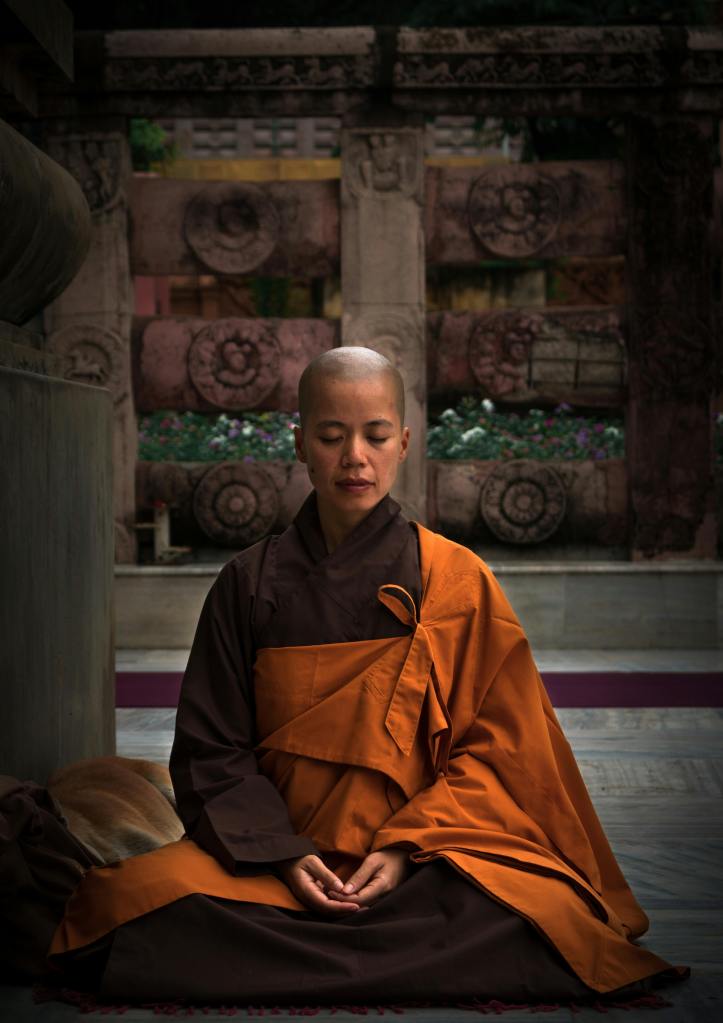
Stoic Wisdom on Meditation and Mindfulness
The Stoics offered profound insights that align closely with meditation practices.
Marcus Aurelius on Present Moment Awareness
“Confine yourself to the present.”
— Marcus Aurelius, Meditations
This emphasizes the importance of being fully engaged in the current moment, a fundamental aspect of mindfulness meditation.
Seneca on Daily Reflection
“Each day, acquire something that will fortify you against poverty, against death, indeed against other misfortunes as well.”
— Seneca, Moral Letters
Seneca suggests that daily practices, like meditation, can strengthen our resilience against life’s challenges.

Additional Resources
Books to Deepen Your Practice
- Meditations by Marcus Aurelius
Gain insight into the mind of a Stoic philosopher-emperor. - The Daily Stoic Boxed Set
The Daily Stoic Boxed Set provides 366 days of Stoic insights, meditations, and teachings that can be enjoyed each day and be revisited for years to come.
Tools for Meditation
- Meditation Cushion Set
Enhance comfort during your sessions. - Noise-Canceling Headphones
Minimize distractions with quality audio for guided meditations.
By purchasing through these links, you support our blog at no extra cost to you. Thank you!
Conclusion
Meditation is more than a practice; it’s a journey toward self-discovery and inner peace. Aligned with Stoic principles, it offers a pathway to navigate life’s complexities with grace and resilience.
Why You Should Start Today
- Enhanced Emotional Well-being: Experience reduced stress and improved mood.
- Greater Self-Awareness: Understand your thoughts and behaviors better.
- Improved Focus: Increase concentration and productivity.
Let’s heed the wisdom of the Stoics and make meditation a cornerstone of our daily lives.
Join the Conversation
Have you incorporated meditation into your routine? How has it influenced your well-being?
Share your experiences, tips, and questions in the comments below!
Link to related article:
Read about The Role of Mindfulness in Stoic Practice.

Final Thoughts
Meditation is accessible to everyone, regardless of background or belief system. It requires no special equipment or extensive time commitments. By integrating meditation into your daily routine, you embrace a practice that has empowered individuals for millennia—from ancient Stoic philosophers to modern practitioners.
Embark on your journey toward inner peace and resilience today. Your mind will thank you.
- Direct Links to Studies and Articles:
- Mindfulness Meditation Programs for Psychiatric Disorders
(https://jamanetwork.com/journals/jamainternalmedicine/fullarticle/1809754) - Mindfulness Practice Leads to Increases in Regional Brain Gray Matter Density
(https://www.ncbi.nlm.nih.gov/pmc/articles/PMC3004979/) - Brief Meditation Training Enhances Attention and Cognitive Control
(https://journals.sagepub.com/doi/10.1177/0956797610364948)
- Mindfulness Meditation Programs for Psychiatric Disorders


 The Stoic Way - Timeless wisdom for Modern resilience
Leave a comment