
Ever notice how with Stoicism’s recent rise in popularity, there’s a common gripe that everyone now calls themselves a Stoic philosopher, like it’s the latest fashion trend? Ironically, those complaining are themselves veering away from Stoic principles by focusing on others’ business instead of their own practice. The ancient Stoics would likely be thrilled that more people are engaging with philosophy—whether they’re sharing a few quotes or applying its teachings in daily life. In my view, any practice of philosophy is beneficial, whether you immerse yourself fully or just dip your toes in.
Read more about what exactly is stoicism and a brief history: [Here]

Introduction: Even Socrates Had His Moments
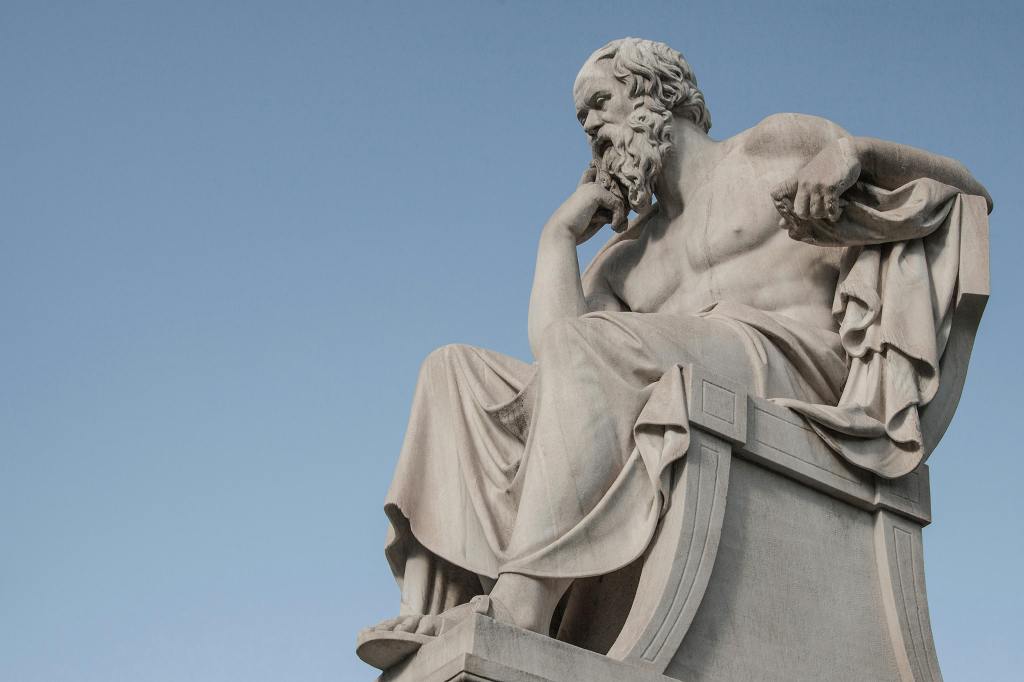
Let me share a gem from Seneca’s On Anger. Even the great Socrates wasn’t immune to emotion. When his students noticed he was unusually quiet, they asked why. He replied, “I am angry, and that is why I am keeping quiet.” Imagine that—the wisest man in Athens admitting he’s ticked off and choosing silence over a rant. If Socrates could own his emotions without letting them own him, why can’t we?
Affiliate Link: If you’re interested in reading more about this, check out Seneca’s On Anger affiliate link.
Embracing Imperfection
I struggle with controlling my emotions—a lot. Reading the news often leaves me fuming at the endless cycle of chaos and empty promises. But instead of letting it ruin my day, I’ve learned to read my body’s signals. When I feel anxiety and anger bubbling up from doomscrolling, I hit the pause button.
I might pet my rabbit (he’s a great listener), give my wife a back massage (she deserves it after putting up with me), or do a quick breathing meditation. Sometimes, I practice Stoic exercises like reflecting on what I’m grateful for, especially when the world seems like it’s on fire. It doesn’t make the bad news disappear, but it helps me regain control over how I react.

Affiliate Link: Looking to delve deeper into Stoic practices? Consider reading Marcus Aurelius’ Meditations affiliate link.
The Diablo Dilemma
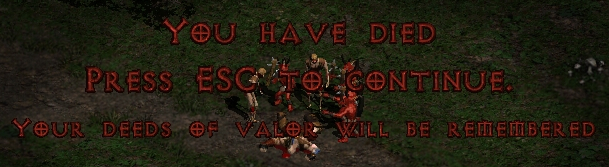
Let me give you a more… digital example. I love playing Diablo 2 on hardcore mode—where if your character dies, it’s game over for good. Back in my teenage years, losing a character I’d poured hours into would send me into a fit of rage. Mice were thrown, keyboards were slammed, and neighbors probably learned some new vocabulary.
Fast forward to a few days ago, it happened again (as it inevitably does). This time, I just shrugged and thought, “Oh well, here we go again!” I wasn’t a zen master by any means, but I didn’t audition for Anger Management either. Progress, not perfection.
The Real Essence of Stoicism
Stoicism isn’t about being an emotionless statue. It’s about acknowledging your emotions and deciding how to deal with them. As Seneca wisely said:
“The greatest remedy for anger is delay.”
I try to practice this too—giving myself time before reacting. Emotions are natural; letting them control you is optional.
Practical Ways to Own Your Emotions
- Recognize the Trigger: Notice when you’re starting to spiral.
- Pause and Reflect: Take a deep breath before reacting.
- Choose Your Response: Opt for actions that align with your values.
The Goal Isn’t Perfection
In a universe where nothing is perfect, striving for personal perfection is like chasing a mirage. As Marcus Aurelius wrote in his Meditations:
“Perfection of character is this: to live each day as if it were your last, without frenzy, without apathy, without pretense.”
Even he didn’t claim to be a Stoic philosopher but a practitioner constantly working on himself. If the emperor of Rome saw himself as a student of Stoicism, why can’t we do the same without judging others or their progress?
A true Stoic focuses on self-improvement rather than critiquing others. Epictetus reminds us:
“Be tolerant with others and strict with yourself.”
Why feel the need to call others out on their practice when we have plenty to work on within ourselves?
Embracing the Journey
- Accept Imperfection: Understand that flaws are part of being human.
- Stay Committed: Keep practicing Stoic principles, even when it’s tough.
- Focus on Yourself: Concentrate on your own growth rather than judging others.

Conclusion: Your Stoic Journey Starts Now
So, you don’t need a philosophy degree or a stone-cold demeanor to embrace Stoicism. Start where you are, imperfections and all. Remember, even Socrates had his off days, and Marcus Aurelius considered himself a work in progress.
Call to Action: Ready to take the next step? Begin incorporating Stoic principles into your daily routine. Reflect on your reactions, make conscious choices, and let go of the pursuit of perfection. After all, the goal is progress, not perfection.
Further Reading :
- Equip yourself with timeless wisdom—grab a copy of Marcus Aurelius’ Meditations affiliate link
- Dive deeper into managing emotions with Seneca’s On Anger affiliate link.
- Beginner resources to get started with stoicism yourself : [Here]
Let’s navigate this wild ride together, one imperfect step at a time.
“We suffer more often in imagination than in reality.” — Seneca
But trust me, my hosting bills are very real. If you find these resources and my blog valuable, please consider making a donation. After all, even a Stoic can’t pay for web hosting with virtue alone!


Leave a Reply